
On 26th August 2026, devastating floods hit Nepal and Tibet. At time of writing, 1400 people were missing, and 270 bodies had been recovered, but this toll is sadly expected to rise.
The flooding hit the Gyirong border crossing and was caught on CCTV, showing people running for their lives before a wall of water overwhelmed them. It is a scene of devastation with a harrowing human toll.
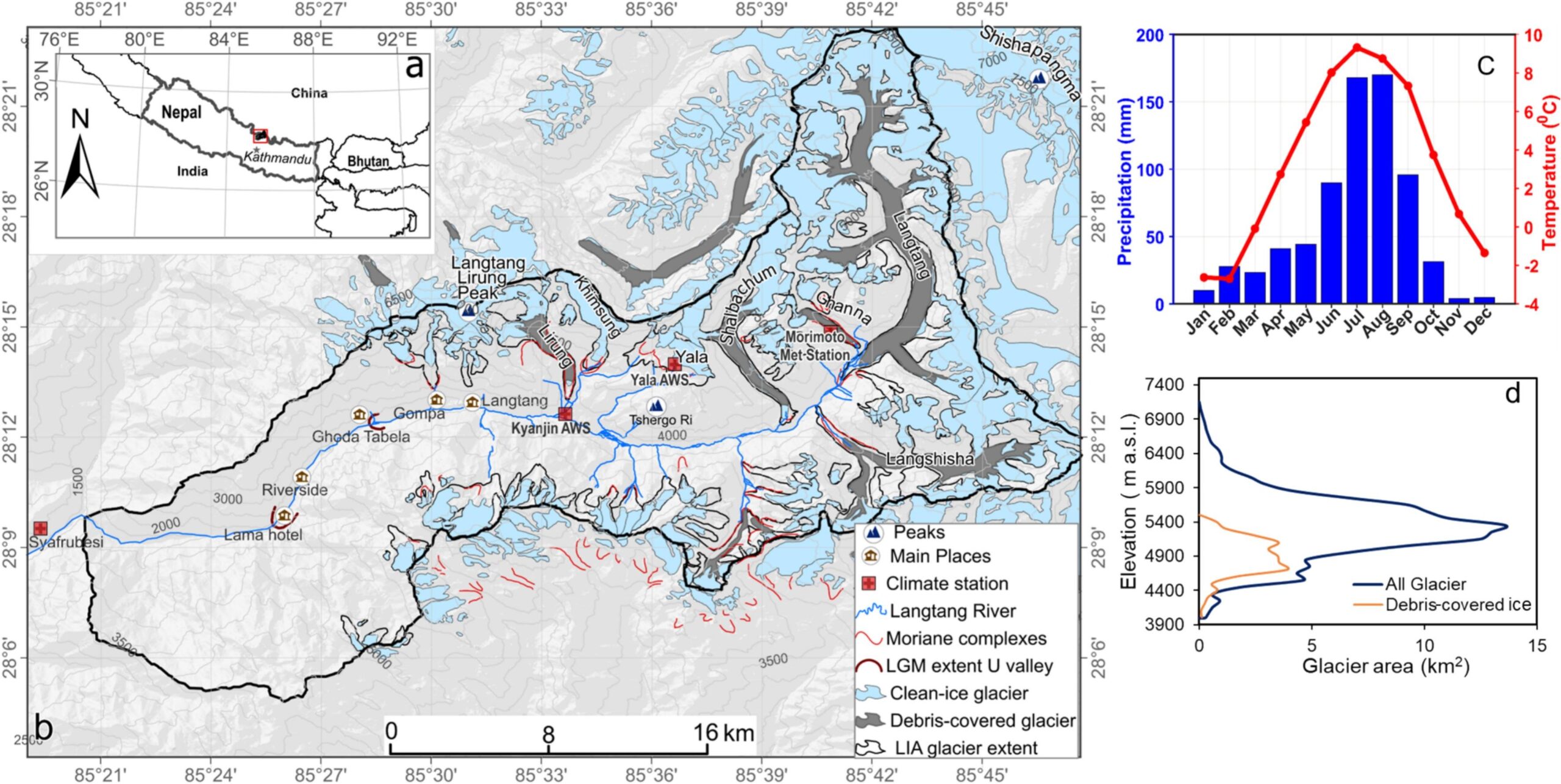
It will require determined study and effort to untangle the causes of this flood, but initial and early analysis the day after indicates a landslide and glacier collapse from the Langtang-Lirung mountain, just north of the Langtang catchment (coordinates: 28.28531746075177, 85.52515461726692).
The ice and rock then fell down the mountain, incorporating further sediment and water down-valley. Nature reports that the landslide temporarily blocked the Lhende Khola River, causing a large lake to build before it broke through the dam and contributed to the flooding.
While early reports cited an earthquake as a potential trigger, it seems that the landslide itself caused a seismic shock. No extreme weather or exceptional rainfall has been reported, and I expect it will take some time before the full causal chain is clear.
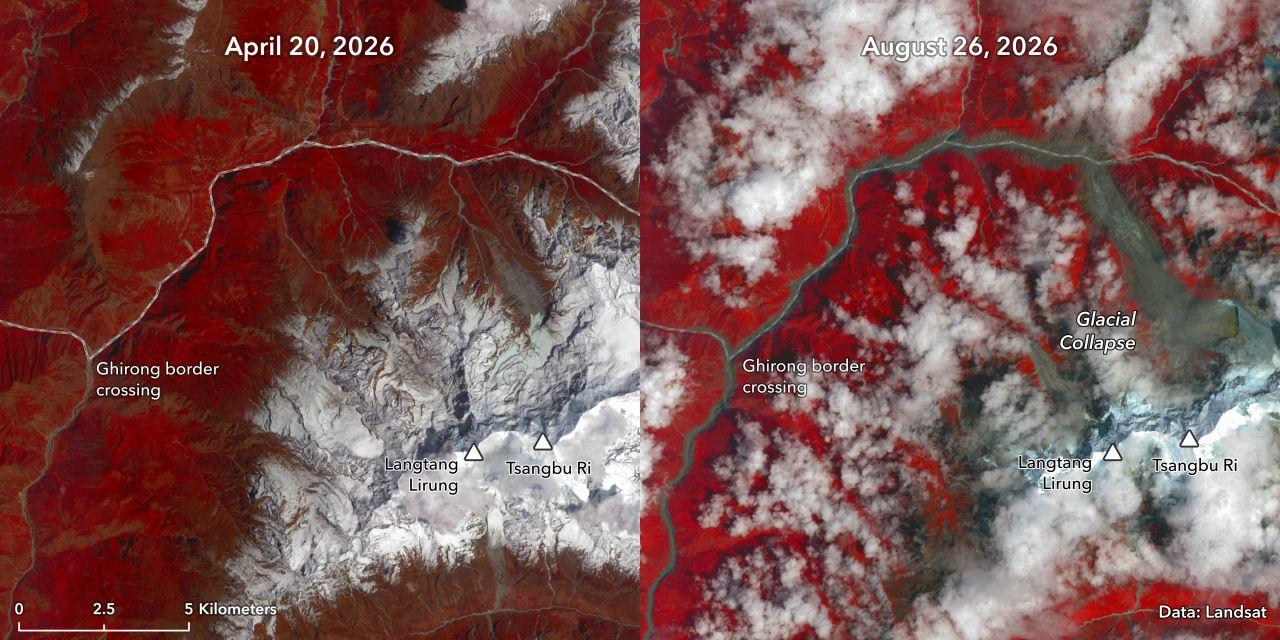
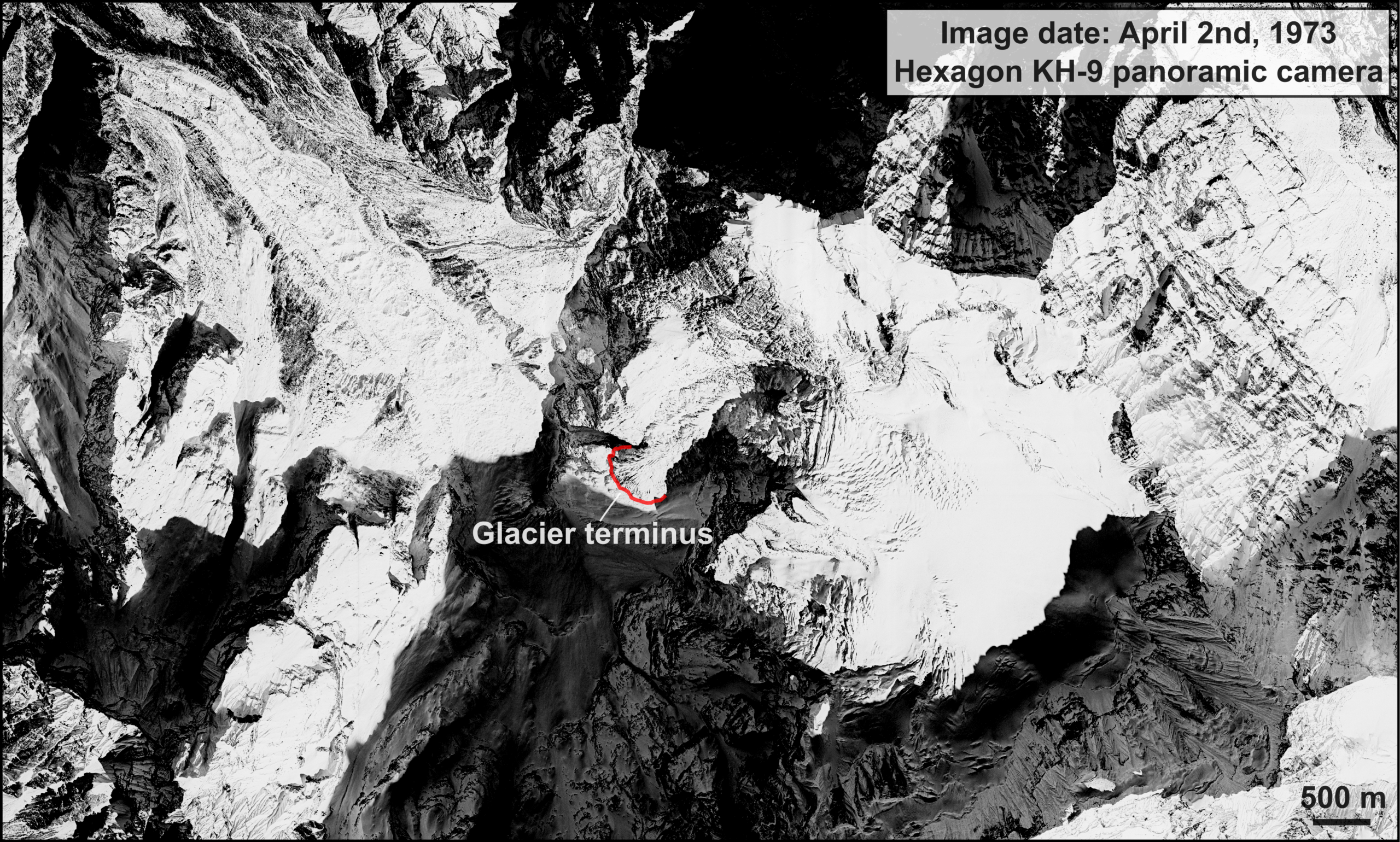
Satellite imagery (below) shows a large volume of both ice and rock missing, with a large scar (highlighted by the red line) showing the change. It seems likely from this imagery that this was a huge ice and combined rock landslide.
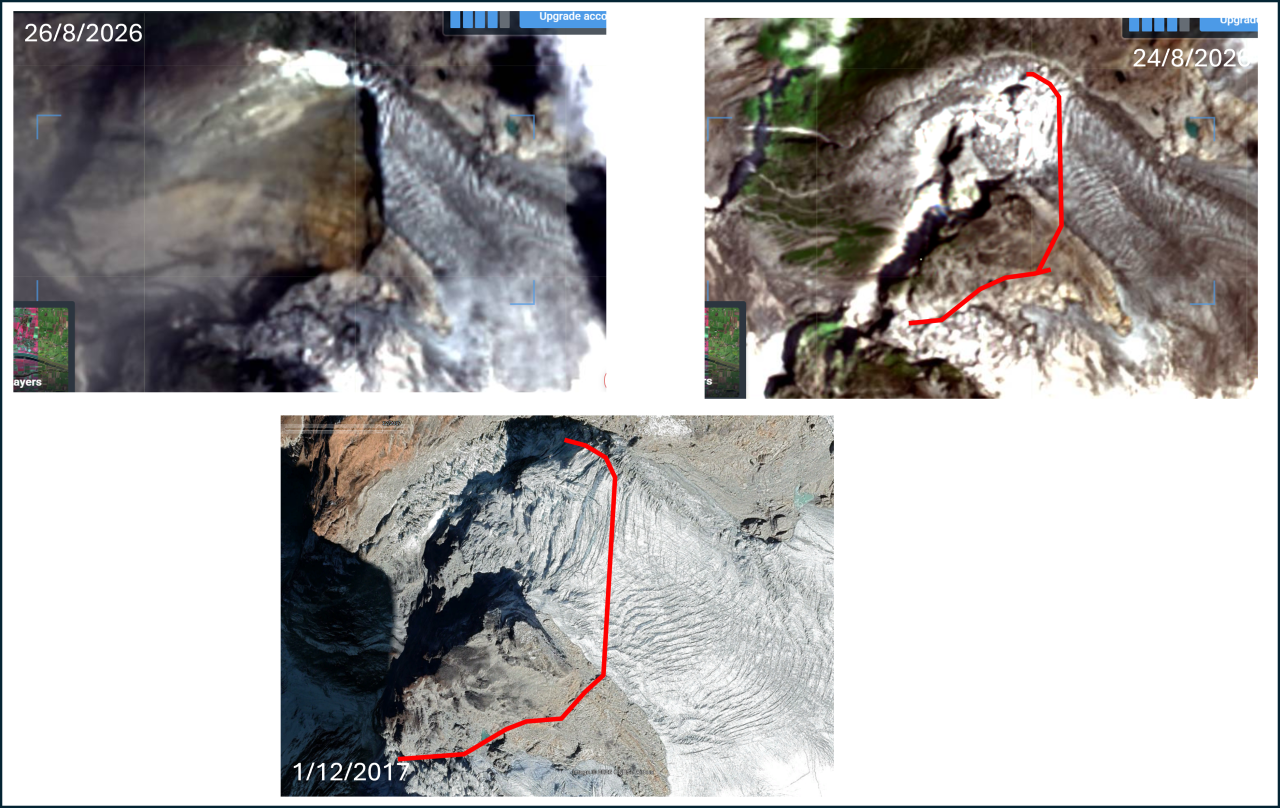
The Soar glacier atlas allows you to compare this yourself using their slider.
This was a complex multi-hazard cascade, starting with the ice and bedrock failure on the northern side Langtang-Lirung peak (exact mechanisms will require further study), leading rock and ice avalanches and debris flows, local river blockages with temporary and unstable dams, and catastrophic flooding.
It does not appear at this time that this event involved a GLOF (Glacial Lake Outburst Flood).
Such events have been observed in the recent past at the 2025 Birch Glacier and the Blatten Landslide and at the 2021 Chamoli in the Himalaya, where 25 million cubic metres of rock and ice collapse in Uttarakhand, India (Shugar et al., 2021).
Retreating glaciers
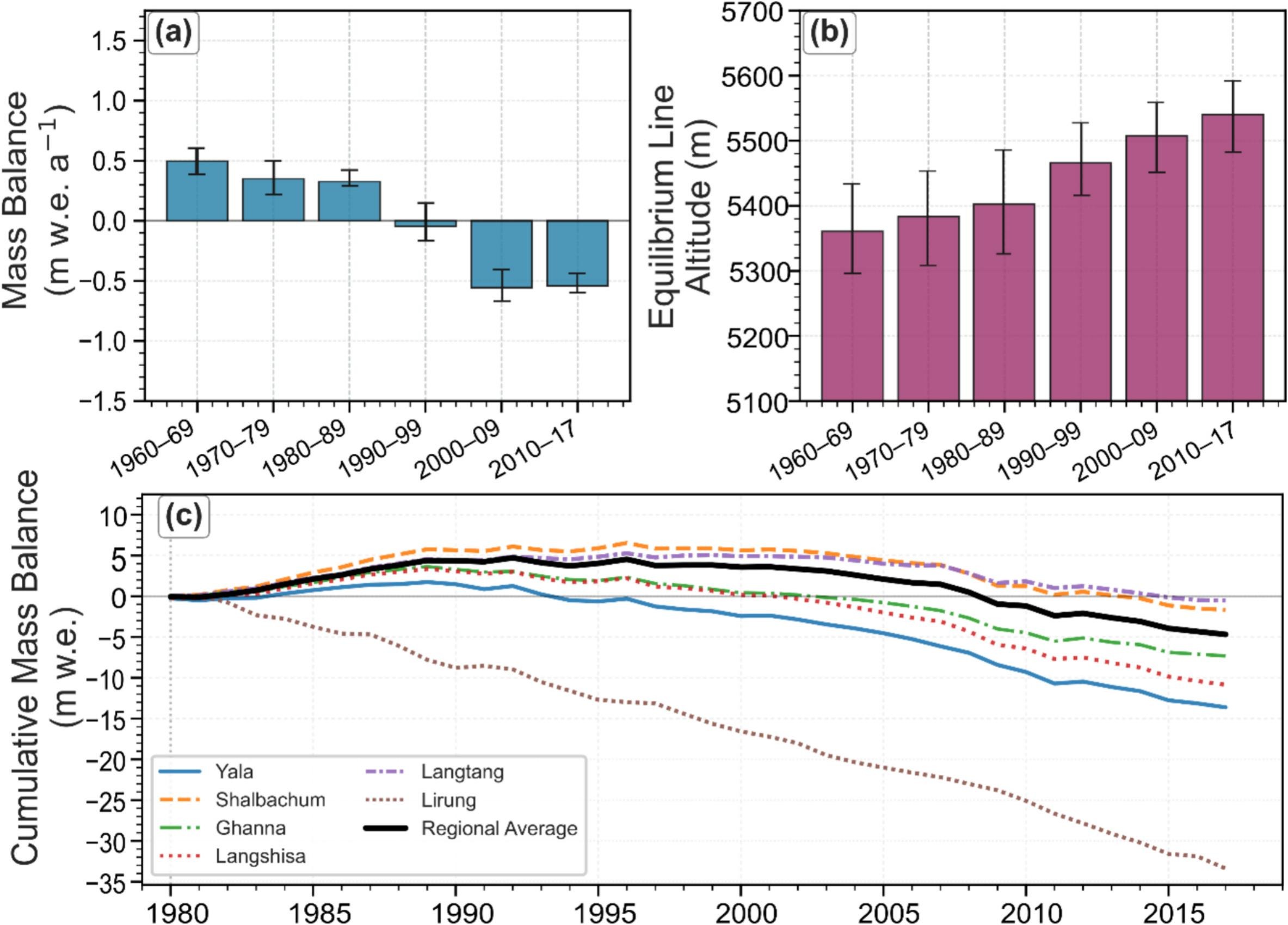
Gunjan Silwal (Silwal et al. 2026) recently published an analysis of the glaciers of Langtang, and found that these glaciers are retreating and thinning rapidly. We found that glaciers from 2000-2023 retreated at a rate 1.5 times faster than from 1964-2000, with glacier fragmentation, disconnection and separation extensive. Glaciers had a strongly negative mass balance after 2000, with rising ELAs and thinning at steep ice falls.
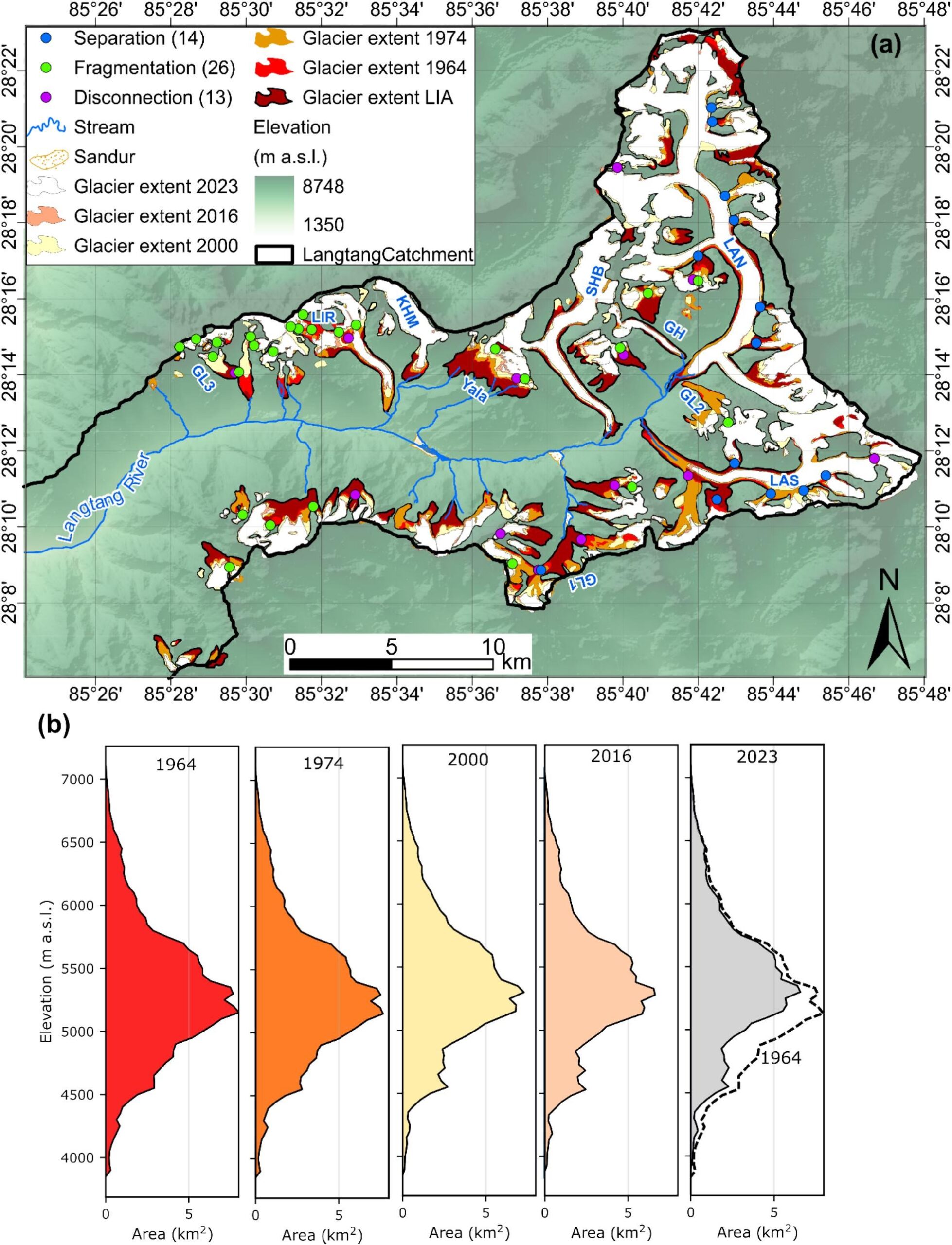
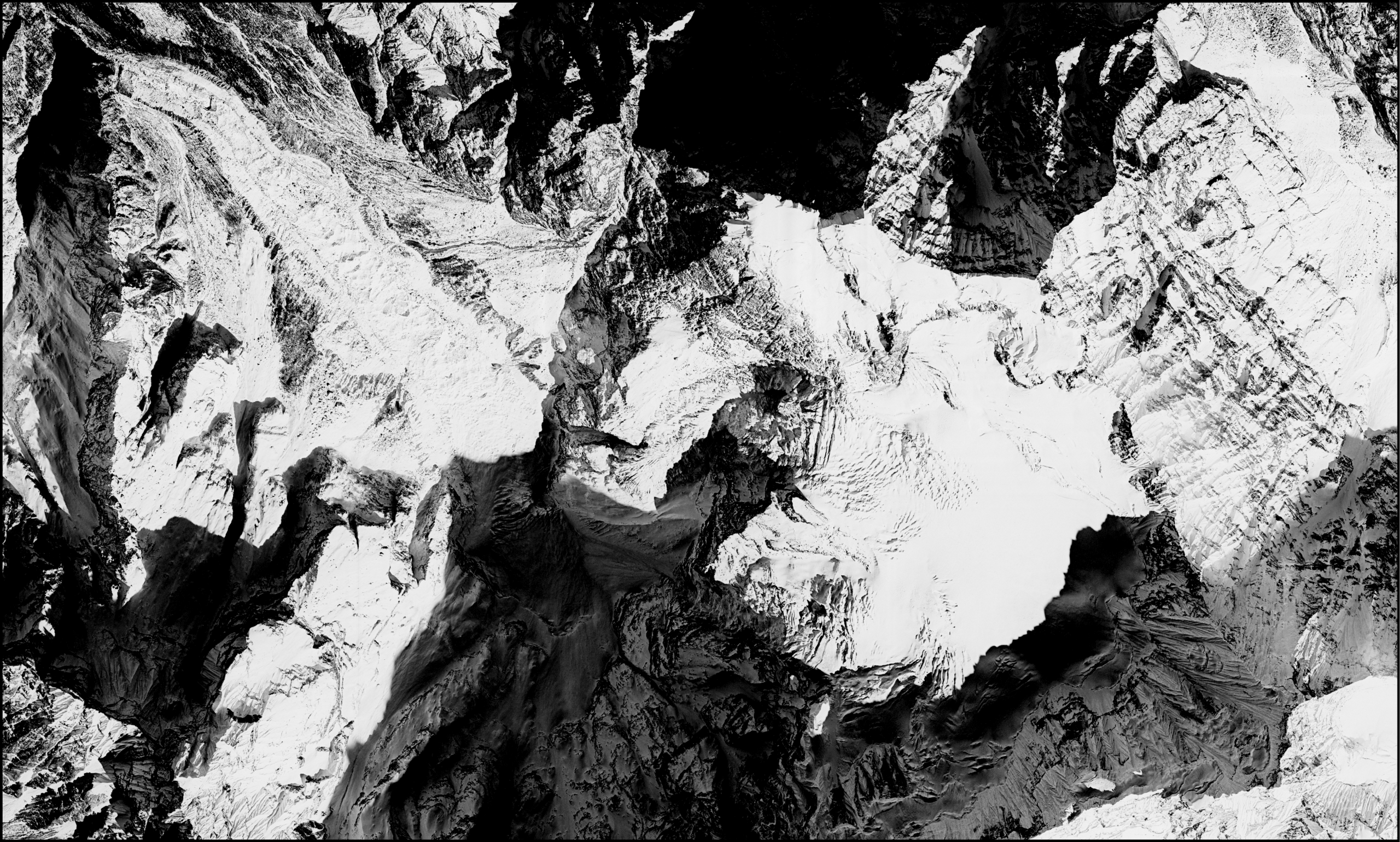
The glaciers here have all retreated substantially in recent decades, leaving some glaciers hanging precariously on steep slopes. Longer valley glaciers are more stable, as the ice downstream can provide more resistive forces and inhibit collapse. Loss of the lower glacier tongue in this case has left a glacier hanging precariously on a high, steep slope, which may have contributed to its instability and the instability of the rock slopes above the glacier. The images taken from the Hexagon satellite in 1973 below show the extent of the glacier recession and loss of the lower part of the glacier.
Rapid warming
The area has been warming rapidly, with glacierised areas above 4000 m warming particularly fast (Silwal et al., 2026), at 0.31C/decade (compared with the global mean of 0.06-0.07C/Decade recorded by Forster et al., 2024). This warming has driven the observed strongly negative glacier mass balances and the observed glacier recession. Glaciers transitioned from near-balance state in the mid-20th century to accelerating mass loss from the 1990s onwards.
Role of climate change
Glaciers and permafrost are sensitive to climate changes (Shugar et al., 2021). While a specific event is challenging to ascribe specifically to climate change, high mountain regions are sensitive to warming, resulting in melting ice and thawing permafrost. In previous catastrophes, such as Blatten and Chamoli, rapid warming has contributed to melting permafrost, destabilising mountain sides and contributing to mass events.
Increased surface and basal meltwater on a glacier can facilitate sliding, contributing to failure of the ice as it detaches from the glacier and slips down steep slopes. Glaciers are, after all, driven by gravity and resist that gravitational pull through the roughness of the bed and from ice freezing to bedrock. If that becomes wetter, ice can slide. Melting permafrost can exacerbate landslides, and increased glacial meltwater can help trigger them. However, further research is needed for this specific event.
The IPCC Special Report on Ocean and the Cryosphere noted, in Chapter 2 (High Mountain Areas), that “glacier, snow and permafrost decline has altered the frequency, magnitude and location of most related natural hazards (high confidence).” Glacier retreat and permafrost thaw have decreased mountain slope stability, and rain-on-snow events and avalanches have increased.
It is clear that we should expect to continue to experience such catastrophic events as these in coming years. Our climate is set to warm significantly in coming decades, which will only continue to contribute to further destabilisation of such high mountain environments. This is just one example of the human toll of climate change, and it remains imperative not to diminish or deflect from the very real impacts. It is costly in terms of human lives.
Thank you to Owen King and Gunjan Silwal for their expert comments on this post.
Further Reading
Excellent StoryMap examining the floods
Gunjan Silwal’s AG article on Nepalese glaciers
Birch Glacier and Blatten Landslide
Max Van Wyk de Vries expert comment
Antonio Abellan expert comment
Zeke Hausfather, The Climate Brink
I appreciate the cautious approach to explaining what caused the flood, especially since the initial analysis was still developing. The description of the landslide, glacier collapse, and temporary river blockage helps make the possible sequence of events much clearer. I also think it’s important to distinguish an early hypothesis from a fully established causal chain.